
I
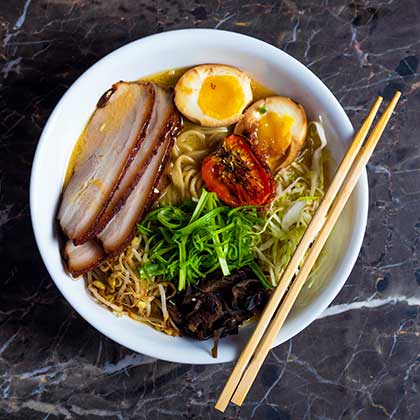
Ramen is a noodle soup dish that originally made its way from China to Japan when the country reopened its borders during the Meiji Restoration. The dish was refined and improved so much over the course of the last century that it has nearly overshadowed its original Chinese cousins on the world stage. The world of ramen is rather complicated, and this article will systematically classify the different styles of ramen that are common in Japan, along with their various soup flavors, broth types, meats, and accompanying toppings.

S
hio Ramen. Shio means salt, and this is traditionally how ramen soup is seasoned. All Western broths would be considered Shio-style. Salt does not alter the appearance of the broth, so Shio soup tends to be light and clear. Shio-seasoned soup tends to be a little saltier than the other types.
S
hoyu Ramen. Shoyu means soy sauce, and this is the next-oldest type of flavoring. Instead of salt, a sauce made by fermenting soybeans is used to season the broth. This sauce is not ordinary table soy sauce, but generally a special sauce with additional ingredients prepared according to a secret recipe. Shoyu broth is the only type that tends not to contain pork. Shoyu soup is also usually clear, but it is darker in color and sweeter than Shio soup.
M
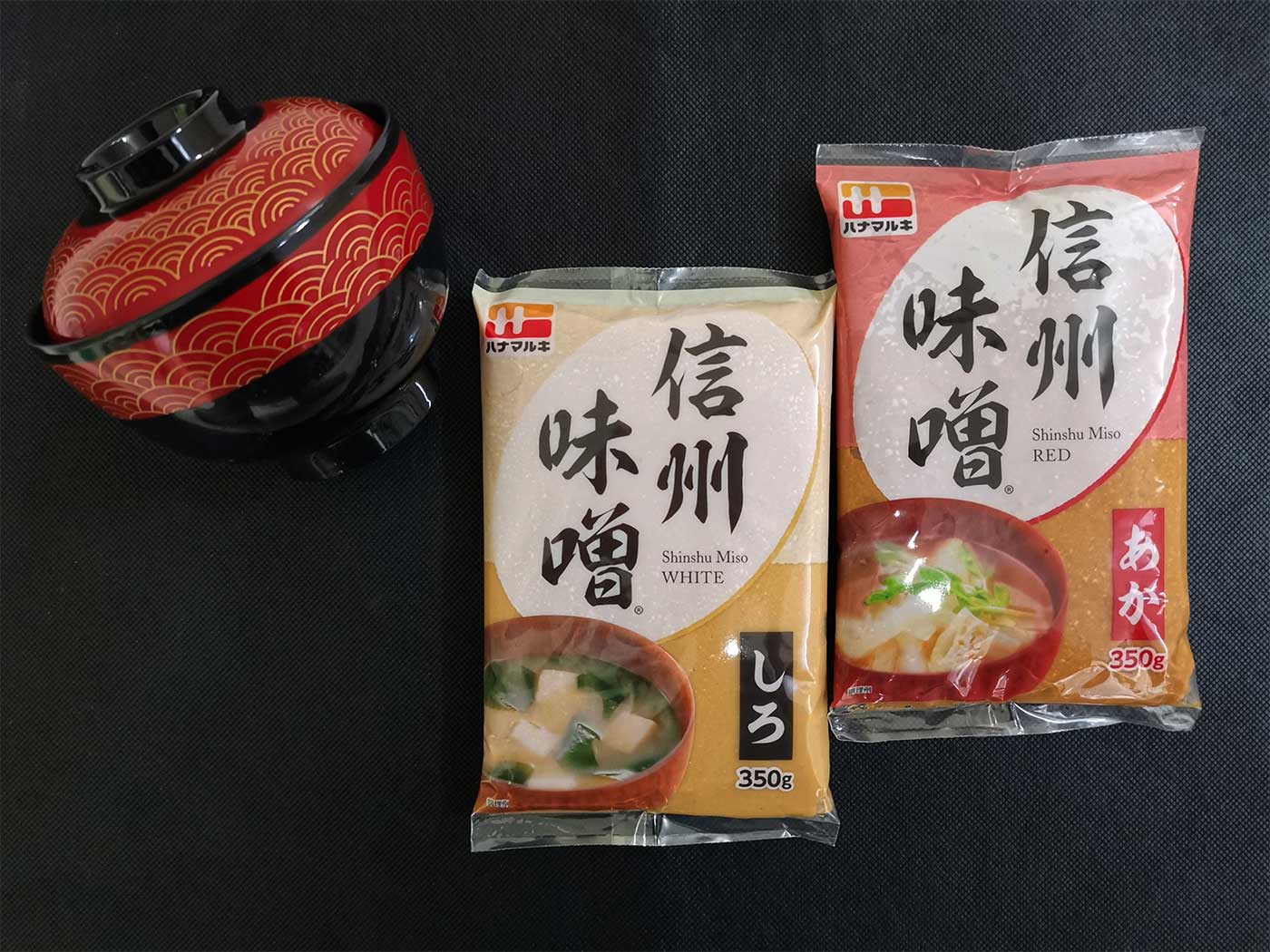
iso Ramen. More recently, miso paste has also been used to give ramen broth its savory flavor. If miso is used, it is immediately apparent because the soup will be opaque. Shio- or Shoyu-seasoned soups merely accentuate the flavor of the underlying broth, while miso leaves a fuller, more complex taste in the mouth because it also has a strong flavor.
T
onkotsu Ramen. Technically, this is not a true flavor, since it contains salt or soy sauce. It is made by boiling ground pork bones (ton = pork, kotsu = bones) for 12–15 hours until all the collagen has dissolved into the broth like gelatin (details here). The result is a rich, whitish soup distinct enough for Tonkotsu to be considered a separate fourth ramen flavor. To be clear, using pork bones does not automatically mean that the soup is Tonkotsu-style. If pork bones are boiled whole for a relatively shorter period, the result is simply an ordinary pork broth.