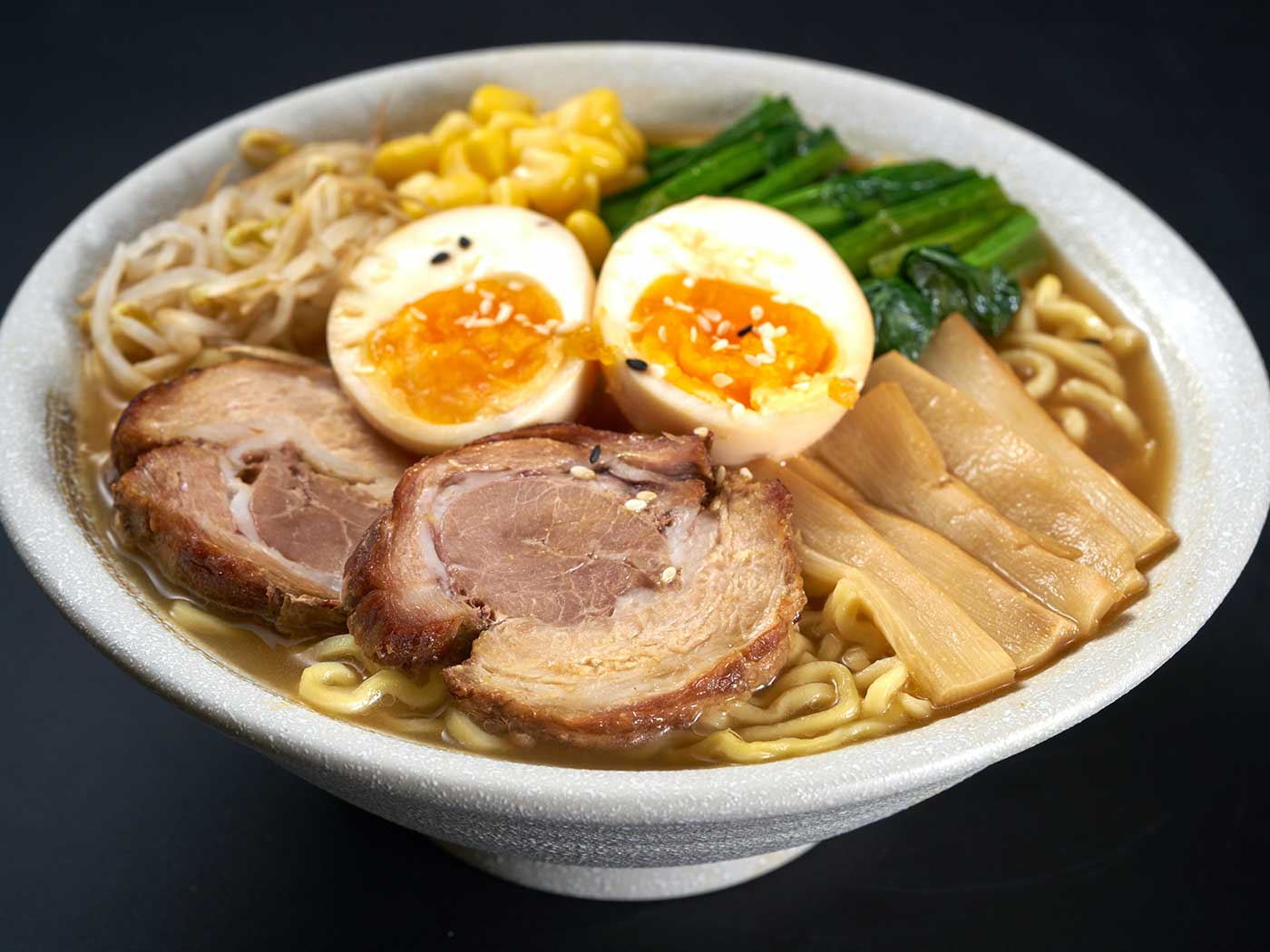
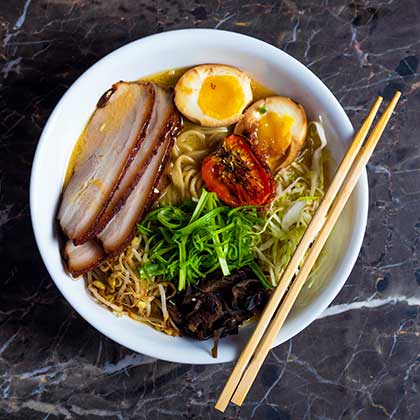





L miso is a Japanese seasoning ideal for flavoring broths, soups, and stews instead of the classic stock cube.
Miso is produced by fermenting a selection of soybeans, rice, barley, and wheat together to create a thick, coarse paste. Although all miso contains some or all of these basic ingredients, differences in the combinations, proportions, and quality of the ingredients ensure that no miso paste is exactly the same.
White miso (Shiro Miso)
White miso is made from soybeans and a high percentage of rice, which is fermented to create a light, slightly sweet flavor. The mild taste of white miso makes it a popular choice in Japan, perfect for soups, dressings, and fish marinades.
Red miso (Aka miso)
Red miso is made from soybeans, barley, and other grains, with a long fermentation process that creates a mature flavor rich in umami. The intense, salty flavor of red miso makes it an excellent choice for hearty soups and marinades for meat and poultry.
Awase Miso
Awase miso is generally a blend of white and red miso, making it a versatile ingredient suitable for all types of Japanese cooking.
Barley miso
Barley miso is made from soybeans and a high percentage of barley, which is fermented to create a dense, wholesome flavor. Popular in southern areas of Japan, the rich flavor of barley miso is ideal for traditional soups or as a dressing for vegetables.
Some varieties of miso paste, whether white, red, or awase, have dashi broth added. This type of miso is usually the easiest way to prepare an authentic miso soup, as there is no need to add any more dashi broth. Simply mix a tablespoon of miso paste with hot water, add some chopped onion and tofu cubes, and it is ready to eat.
Why should you consume miso? Well, first of all ... miso is delicious! It has a rich flavor that is rather difficult to describe, but it can be called salty, savory, slightly sweet, earthy, and soy-like, and has sometimes been called “the taste of home cooking.”
Besides its excellent flavor, miso is also very healthy and offers a variety of nutritional benefits. It is rich in fiber, protein, and minerals, as well as vitamins K and B12, making it excellent for the immune system and digestive tract.
Miso is truly one of those so-called superfoods, but make sure you are careful when cooking with it. Since miso is a living food like yogurt, any beneficial bacteria are killed when you boil it.